
 Foundry Lab
Foundry Lab casts metal parts from a digital file, using a 3D-printed ceramic mold and a microwave furnace in place of the tooling a foundry needs.
- Category
- Deep Tech
- Fund
- NZVC II
- Website
- www.foundrylab.com
- On TechMates
- 2 episodes

What Foundry Lab does
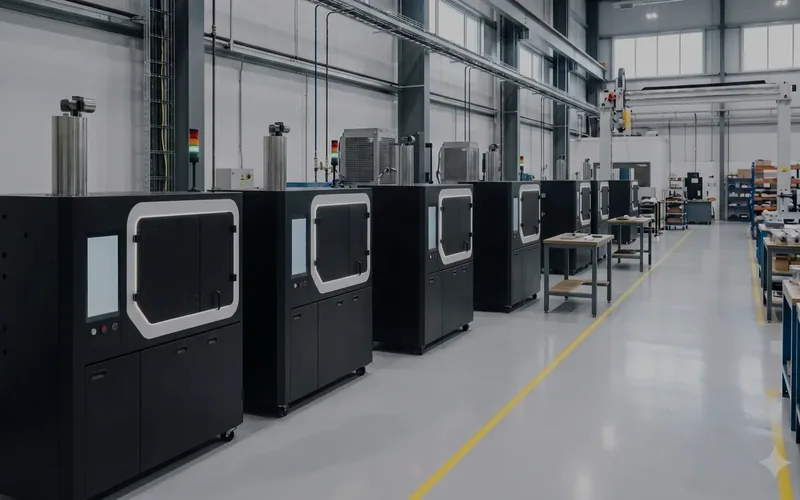
A customer's CAD file becomes a finished cast part in 72 hours, in the aluminum, magnesium, zinc and stainless steel alloys that defense, aerospace and automotive work runs on, with no minimum order. Printing the mold takes two to three hours and is the longest step in the process. David Moodie founded the company in Wellington, where the research team still sits, and Foundry Lab now runs its global headquarters in Austin, Texas.
The secret
The parts come out with production material properties, not prototype ones. That is what lets a same-day casting compete for real work rather than sit on a desk as a model, and it turns foundry lead time from a fixed constraint on engineering into a scheduling choice.
Why NZVC invested in Foundry Lab
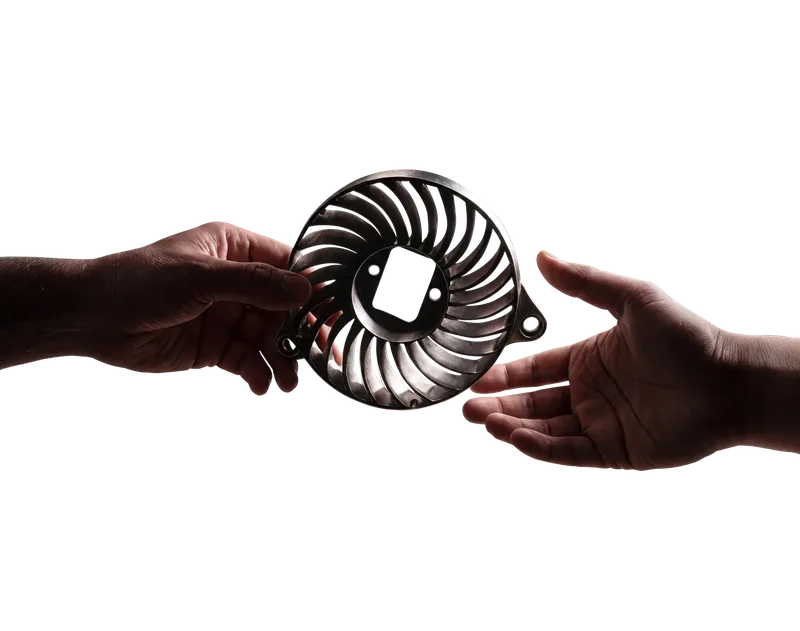
We backed Foundry Lab because casting lead times are a persistent drag on engineering and manufacturing, and same-day metal parts change how teams design and iterate. The microwave casting approach delivers production-grade material properties rather than a prototype substitute, which lets it compete for real work. Foundry Lab now runs that process out of Austin for defense, aerospace and automotive customers.
Foundry Lab in the press


- From Concept to Metal in Hours: Foundry Lab's Digital CastingFabbaloo · 6 February 2024
- Foundry Lab began a development effort with EatonPR Newswire · 1 November 2023
- Foundry Lab: How Casting in a Day Will Improve the Design of Metal PartsAdditive Manufacturing · 14 September 2023
- Foundry Lab showed its microwave casting machine at Formnext 2022PR Newswire · 14 November 2022
- Foundry Lab raised a Series A of about $12 million with Peter Beck backing itStartup Daily, NZ Herald · 30 November 2021
Foundry Lab on TechMates

Why VC Funds Are Suddenly Pouring Billions Into Defense
You hear three conversations on defense technology and sovereign capability in Australia and New Zealand: Vu Tran on solid rocket motors, David Moodie on bringing manufacturing home, and James Pinner on how a government-backed fund is rethinking its stance on defense. The through-line is deterrence, and why venture capital is shifting to fund dual-use technology. You get the defense-tech gold rush from both sides of the table, founders and an institutional investor.
“The chances of my kids having to defend their country are higher in the next 20 years than in the last 20.”Vu Tran
- Vu Tran's company pivoted from about 98% aerospace to 98% defense, building solid rocket motors to break the Western duopoly of Aerojet Rocketdyne and Northrop Grumman.
- A Chinese missile cruiser with about 112 vertical launch cells circled Australia, carrying more missiles than Australia's estimated arsenal.
- Vu frames it as the porcupine strategy: spikes exist to make a predator think twice, which is why it is called defense, not offense.
Foundry Lab on TechMates

America's Secret Weapon Against China? A New Zealand Startup
You hear how backyard experiments melting metal in a microwave turned into defense contracts. David Moodie explains why an 8,000-year-old casting industry needed disrupting, and what it takes to scale a hardware startup from New Zealand.
- How frustration with traditional casting led to an industry-changing innovation.
- The journey of melting metal in a microwave to create rapid casting.
- Why automotive and defense industries are betting big on this breakthrough.